


Why Somatic Experiencing Helps?
A clear, human-centered guide to Somatic Experiencing and how body-based healing supports regulation, safety, and deeper integration beyond talk therapy alone.

You’ve explored it through the spoken word multiple times.
You’ve connected the dots, made sense of them, and even explored possible solutions and action plans. The story is familiar, yet the feeling still lingers somewhere deeper: in your gut, your chest, your breath. It’s not that therapy is failing; it’s that insight alone may not be enough without embodiment.
While powerful, sometimes understanding something doesn’t mean it is over. The body can still cling to what the mind has long moved on from. Experience doesn’t end in thought, and not only remembered in memory; it lives as the felt pattern of sensing and moving. Somatic therapy, and specifically Somatic Experiencing, begins where words end. It is about helping translate the quiet language of the body and bringing back a sense of safety and integration to the system.
What Is Somatic Experiencing?
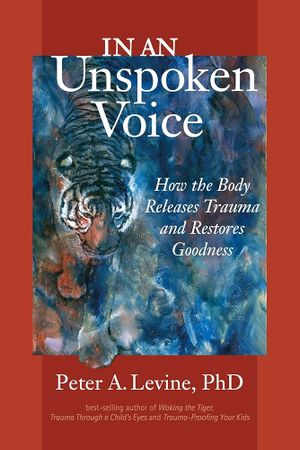
Somatic Experiencing (SE) is a body-centred approach to healing. It rests on the recognition of the soma, not merely the physical body, but the experience of the body from within; an integrated system. It is the totality of our felt perception, including physical sensations, thoughts, and emotions. The soma is viewed as a unified and dynamic process rather than static and motionless. Developed by Dr. Peter Levine, Somatic Experiencing understands how trauma and stress can live in the nervous system—in our tissues, breathing patterns, impulses, and cycles of activation. This approach gently helps people complete the body’s natural response to threat or stress, allowing the system to regain equilibrium, presence, and aliveness.
What Happens in a Somatic Experiencing Session?
A Somatic Experiencing session is a collaborative process based on tracking bodily sensations. Together with your therapist, you’ll gently notice what’s happening inside, your breath, posture, or subtle changes in tension or warmth. These sensations are the body’s language, hinting at where energy is held and how it begins to release.
You won’t be asked to relive painful memories. Instead, you’ll be invited to stay connected to the present moment through orientation (noticing what’s around you) and anchoring, the practice of feeling steady within your environment and body. Your therapist supports the slow exploration of sensations (titration) and the natural movement between activation and ease (pendulation). To help organise what emerges, SE uses the SIBAM framework, which tracks five channels of experience:
Sensation: noticing physical feelings in the body
Image: inner pictures or flashes that arise spontaneously
Behaviour: movements, impulses, or gestures
Affect: the emotional tone that accompanies sensations
Meaning: the personal understanding that unfolds
Throughout, your therapist may draw on resourcing. This helps you access supportive memories, sensations, or images that evoke safety and steadiness. The objective isn’t to push through pain but to help your system re-encounter its natural rhythm and expand its capacity to tolerate emotion and movement without becoming overwhelmed. Over time, the body learns not only ease and presence, but expansion and a deeper tolerance for life’s intensity.
Why Somatic Experiencing Works?
Somatic Experiencing helps the body find its way back to safety. It’s grounded in the understanding that trauma isn’t only a story from the past, but also a pattern that can live in the body’s physiology. When something overwhelming happens, our nervous system may stay caught in an exaggerated survival response like fight, flight, or freeze. SE gently helps the body complete these unfinished responses so it can return to equilibrium. At the heart of this process is body awareness and sensation tracking—interoception (sensing inside the body) and proprioception (sensing movement and position). These help recalibrate the autonomic nervous system, the part of us that governs safety, connection, and self-protection. Through this titrated process, clients begin to experience not just relief, but the felt sense of safety and pleasure.
Takeaway
Healing doesn’t always come from trying harder or talking longer. Sometimes, it begins by slowing down. Healing, sometimes, begins by sensing your breath, your body, and the quiet signals that remind you you’re here. Somatic Experiencing invites you to reconnect with your body’s natural rhythms. This work isn’t about becoming perfectly calm; it’s about expanding your capacity to meet life’s moments with more presence and less fear.
Recommendations
Recommendations